When seconds
decide survival
APAWS is a solar-powered, mesh-connected warning network that reaches every barangay — even when power grids and phone signals fail. Built for the Philippines. Built for the last mile.
Most disasters don't kill people.
Late warnings do.
One network.
Every hazard.
Every barangay.
APAWS links a network of solar-powered warning stations across your LGU territory. Each station can blast sirens, play pre-recorded evacuation instructions, or relay your voice live — triggered from a single command center or operated independently on the ground.
A warning for
every threat
From riverbanks to coastlines to mountainsides — APAWS was designed with the Philippine hazard map in mind.
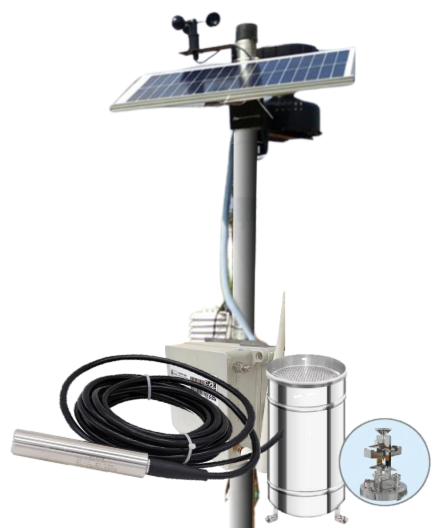
River gauge sensors upstream detect rising water levels. The moment thresholds are crossed, the APAWS command center pushes an alert. Within seconds, stations along the floodplain are broadcasting evacuation instructions — before the water reaches the first house. Coastal towns hit by storm surges get the same speed. The ocean doesn't wait. Neither should the warning.
In the typhoon belt, it's not just wind speed that matters — it's how fast you can move thousands of people. APAWS pushes preemptive siren alerts and pre-recorded instructions across all stations simultaneously, hours before landfall.
Mountain communities know the risk. When rainfall sensors cross critical thresholds, APAWS triggers targeted alerts to the stations nearest to the slope — giving residents in high-risk zones the few minutes they need to get to higher ground.
Alert levels change fast. When PHIVOLCS raises the level, your command center can push rapid, clear evacuation orders to all zones around the volcano in seconds. No scrambling for radios. No waiting for cell signals. Just a clear, audible instruction to every community at once.
Why Warning Systems Matter
In disaster-prone regions, early warning is the difference between life and death. Communities need reliable, fast, and resilient alert systems
Natural Disasters
Critical Response Time
Last-Mile Communication
How APAWS Works
From command center to community alert in seconds
01
02
03
04
05
06
Trigger Alert
Operator triggers alert from GUI at command center, selecting target stations and message type
LoRaMesh Transmission
Command center sends signal via LoRaMesh RF network to target warning stations
Station Receives & Confirms
Target stations receive command and send acknowledgement back to command center
Audio Playback
Arduino controller plays siren or selected voice message through amplifier
Community Alert
Audio is broadcast through 4 high-power horn speakers, reaching the entire coverage area
Local Fallback
If LoRaMesh fails, operators can activate alerts locally using on-site controls and microphone
Key Features
Enterprise-grade capabilities designed for mission-critical operations
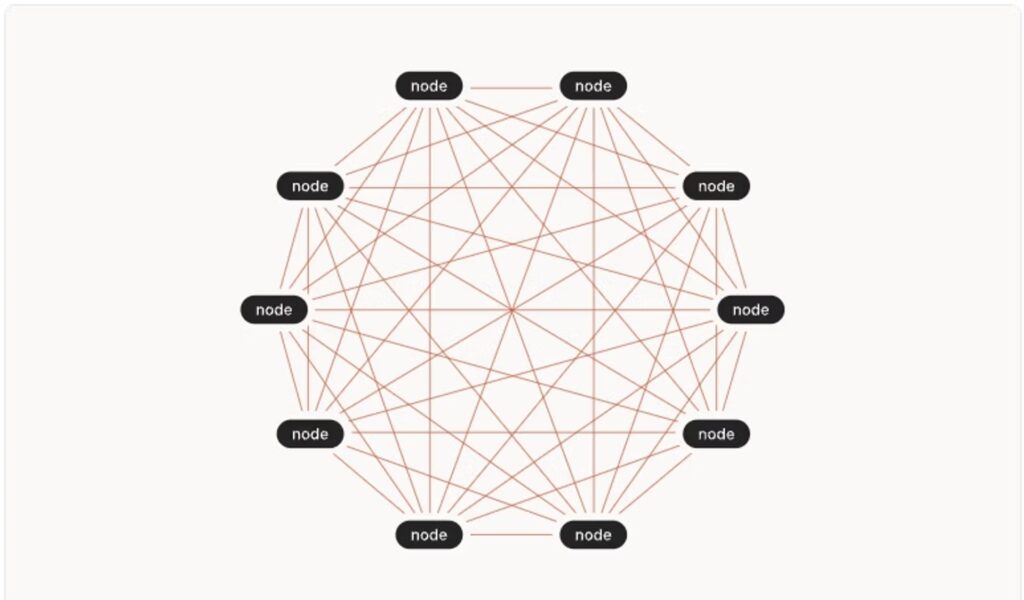
LoRaMesh Network
Long-range RF mesh network for data and voice transmission with multi-hop relay support
Solar Power System
Complete solar power solution ensuring continuous operation even during blackouts
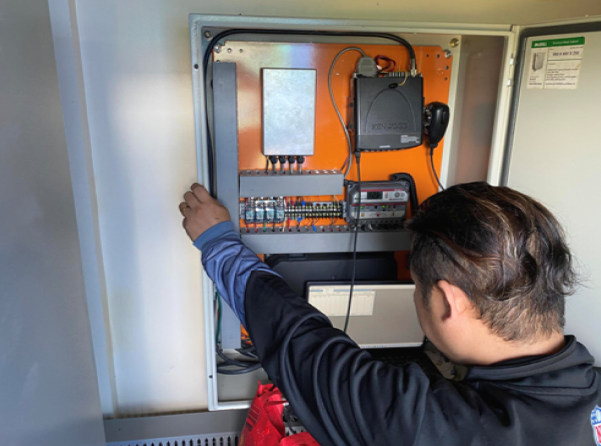
Dual Control System
Flexible control options for maximum reliability in any scenario
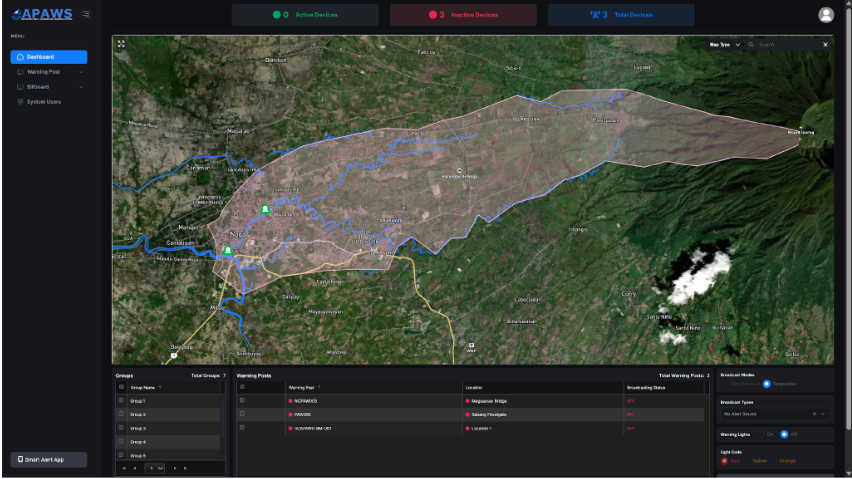
Command Center GUI
Intuitive Windows-based interface for operators to manage alerts across territory
Warning Station Components
Rugged, field-tested components designed for harsh environments
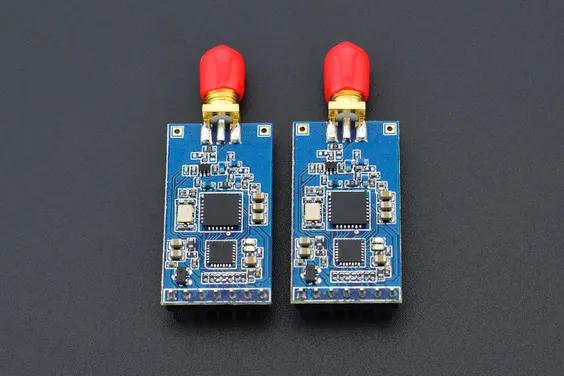
RF Transceiver
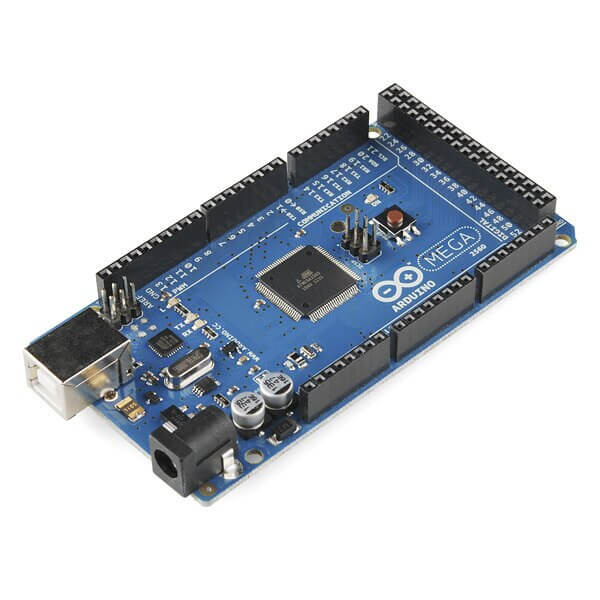
Arduino Controller
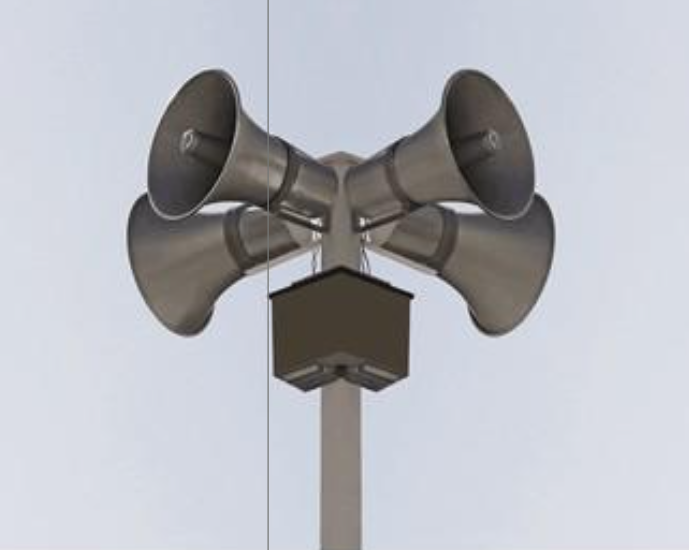
Audio System

Microphone
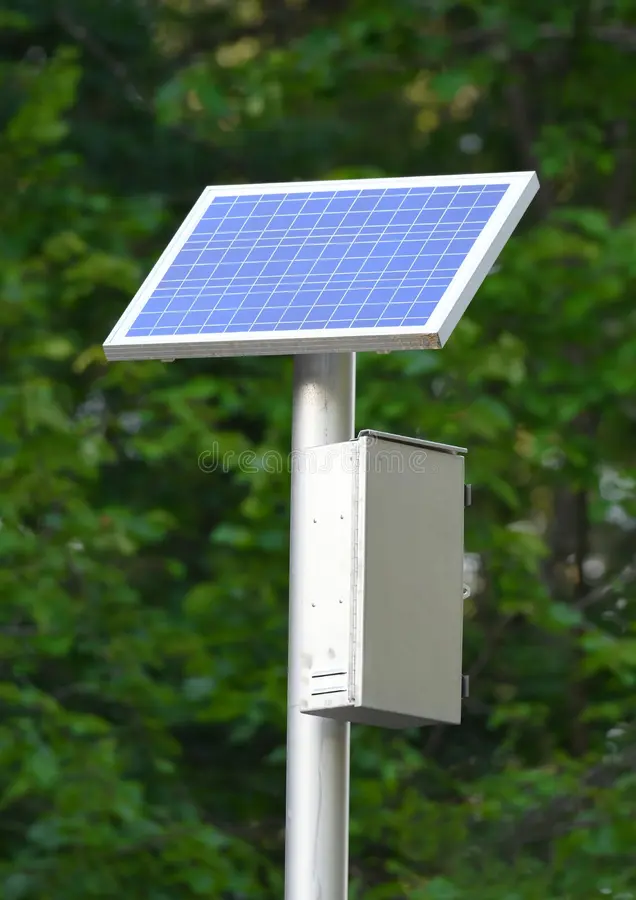
Solar Panel
Battery System
Deployment
Installs anywhere. Covers everywhere.
Urban Areas
Mounted on barangay hall rooftops, covered courts, or public buildings. Blends into existing civic infrastructure with minimal footprint.
Rural Communities
Steel post installations near community centers, schools, or chapels. Solar panel and battery designed for low-maintenance, long-duration field use.
Coastal & River Zones
Positioned near hazard zones for maximum early-warning reach. Ruggedized for coastal salt air, flooding, and high-wind environments.
Ready to protect your community?
Give your barangays the warning system they deserve
Talk to our team about deploying APAWS in your LGU. We'll walk you through station planning, coverage mapping, and everything your DRRM office needs to make it happen.